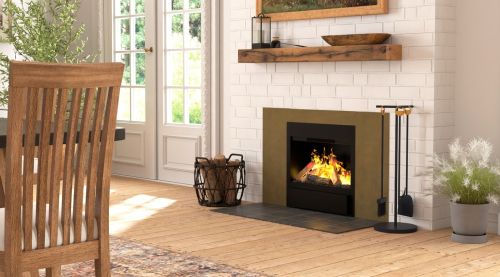
Shop Fireplaces Fuel Type
Fireplaces have evolved significantly over the years, and one of the most critical aspects to consider when selecting a fireplace is the type of fuel it utilizes. The choice of fuel can affect not only the efficiency and performance of the fireplace but also the overall ambiance and environmental impact. This article aims to provide an objective overview of the various fuel types available for fireplaces, including gas, wood, electric, and bioethanol.
Gas fireplaces are among the most popular options due to their convenience and efficiency. They typically operate using natural gas or propane, which can provide instant heat with the simple push of a button. According to the U.S. Department of Energy, gas fireplaces can achieve efficiency ratings of up to 90%, making them an energy-efficient choice. Additionally, gas fireplaces produce fewer emissions compared to traditional wood-burning options, contributing to a cleaner environment.
Wood-burning fireplaces have a long-standing tradition and are often favored for their aesthetic appeal and the authentic experience they provide. However, they require a steady supply of seasoned wood and regular maintenance to ensure optimal performance. The Environmental Protection Agency (EPA) has established guidelines for wood-burning appliances, and modern designs can achieve efficiency ratings of around 70%. It is important to note that wood-burning fireplaces can produce particulate matter and other emissions, which may have environmental implications.
Electric fireplaces offer a versatile and low-maintenance alternative. They operate by converting electricity into heat, often using infrared technology. One of the key advantages of electric fireplaces is their ability to be installed in virtually any location without the need for venting. They also provide the flexibility of using them without heat, allowing users to enjoy the visual appeal of flames year-round. However, electric fireplaces typically have lower heat output compared to gas or wood options, making them more suitable for supplemental heating rather than primary heating sources.
Bioethanol fireplaces represent a modern and eco-friendly option, utilizing bioethanol fuel derived from renewable resources. These fireplaces produce real flames without the need for a chimney or venting, making them an attractive choice for urban settings. Bioethanol fireplaces are known for their ease of installation and portability. However, they may have lower heat output and can be more expensive to operate compared to gas or wood-burning fireplaces.
In conclusion, the choice of fireplace fuel type is a critical decision that should be based on individual preferences, heating needs, and environmental considerations. Each fuel type has its unique advantages and limitations, and understanding these factors can help consumers make informed choices that align with their lifestyle and values. It is advisable to consult with a fireplace expert to determine the most suitable option for your specific requirements.